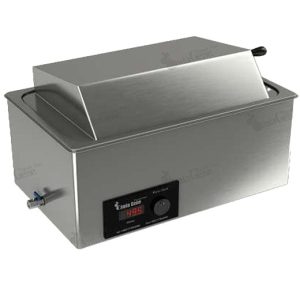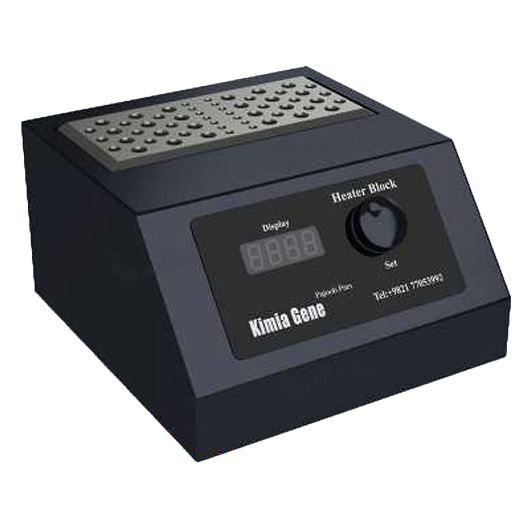

In the scientific and research world, precise temperature control and thermal processes are of special importance. One of the essential devices that provides this precision is the water bath (Ben-Mari) device. These devices are specifically designed for melting materials, dissolving compounds, sterilizing, and maintaining temperature for extended periods, and they are widely used in many laboratories and industries.
A water bath allows uniform heating and stable temperatures, enabling experiments to be conducted accurately without the risk of temperature fluctuations. In this section, we will examine the different types of water baths, their features, and common applications in laboratories and various industries.
Water bath (Ben-Mari) device is a laboratory tool used for uniform heating and precise temperature control in processes such as melting, dissolving chemicals, sterilizing, and temperature maintenance. These devices usually have a water or oil bath and are highly suitable for sensitive experiments in biological, pharmaceutical, and chemical environments. Water baths maintain a stable temperature and distribute heat uniformly throughout the materials.
Water baths are designed and manufactured in various types to meet the specific needs of different laboratories and industries. Here are some common types of water bath devices:
This type of water bath uses water as the heating medium. It is commonly used for melting materials or uniform heating at low and medium temperatures. Water baths are suitable for biological, pharmaceutical, and chemical experiments.
In these devices, oil is used as the heating medium instead of water. Oil baths are more suitable for higher temperatures and processes that require a stable temperature at elevated ranges.
These advanced models have digital controls for precise temperature adjustment. They offer higher accuracy in temperature setting and monitoring, making them ideal for sensitive and complex experiments in research environments.
These devices have multiple wells or chambers, allowing users to place several samples simultaneously at different temperatures. This feature is useful for laboratories that need to process a large number of samples.
In this model, heating occurs under vacuum, which is used for evaporating substances under low pressure or for temperature-sensitive processes. These baths are commonly used in chemical experiments and pharmaceutical research.
Precise temperature control: Water baths allow precise temperature adjustment, which is essential for processes requiring stable and controlled temperatures. These devices are ideal for sensitive and accurate experiments.
Uniform heat distribution: Water baths distribute heat evenly within their chamber. This prevents hot or cold spots and ensures that samples are heated uniformly.
Energy-efficient: New water bath devices are designed to consume less energy, reducing operational costs and saving energy in the long term.
Variety of sizes and capacities: Water baths are available in various sizes and capacities, from small models for limited experiments to larger models for industrial applications. This allows users to select a device suited to their needs.
Durability under harsh conditions: Water baths are usually made from heat-resistant materials, making them durable under high-temperature conditions and long-term use.
Advanced safety systems: Water baths feature safety systems such as safety thermostats, thermal fuses, and audible or visual alarms to prevent damage to the device and samples.
Easy access to settings: Temperature and time settings are typically easy to adjust, allowing researchers and technicians to quickly apply the desired settings.
Support for various processes: Water baths are used for processes including melting, dissolving chemicals, sterilizing, and maintaining temperature in laboratories and industries.
User-friendly design: Water baths are generally simple and user-friendly, making them easy to operate. Some models include digital features and displays for precise temperature and time control.
Easy cleaning and maintenance: Devices are designed for easy cleaning and maintenance, helping maintain laboratory hygiene and extend device lifespan.
Water baths are used in many laboratories and industries. Some of their main applications include:
Melting materials: Water baths are used to melt solid materials such as fats, waxes, and other chemical compounds that require a stable temperature.
Dissolving chemical compounds: These devices are particularly used for dissolving chemicals in solvents at specified stable temperatures, which is important in chemical and pharmaceutical experiments.
Sterilizing: Water baths are used in some industries for sterilizing tools and materials at specific temperatures, especially in microbiology and medical laboratories.
Temperature maintenance: They are used to maintain materials at stable temperatures for extended periods in laboratories and industrial settings. This is useful in processes requiring uniform and controlled heating.
Microorganism culture: In microbiology laboratories, they are used for growing and multiplying microorganisms and bacteria at controlled and stable temperatures.
Solvent evaporation: Water baths are used to evaporate solvents from solutions and liquids, especially in chemical and pharmaceutical laboratory processes.
Choosing the appropriate water bath for your laboratory or industry depends on several key factors. Here are some of the most important considerations:
Type and application: The first step is to determine the intended use. Do you need a water bath for low temperatures or an oil bath for higher temperatures? Some devices are designed for microorganism culture while others are for dissolving chemicals.
Device capacity: Depending on your lab or production line needs, choose the device capacity. For heating or evaporating many samples simultaneously, select devices with multiple wells or larger capacities.
Temperature accuracy: Temperature control precision is an important feature. For experiments requiring high accuracy, consider devices with digital controls and high precision.
Safety features: Check the safety features of the device, such as safety thermostats, thermal fuses, and alert systems to prevent damage to the device and samples.
Digital or analog model: Digital models are more suitable for those requiring high precision and advanced settings. They usually include a display to monitor temperature and time and are easy to adjust.
Maintenance and cleaning: Choosing devices that are easy to clean and maintain increases device longevity and preserves performance. Ensure simple and accessible design for cleaning.
Warranty and after-sales service: Always choose devices with reliable warranty and after-sales support so that technical assistance is available if any issues arise.
High temperature accuracy: Water baths allow precise and stable temperature adjustment for sensitive experiments.
Uniform heat distribution: Heat is evenly distributed within the chamber, preventing hot and cold spots.
High efficiency: Heating processes are fast and energy-efficient, reducing time and costs.
Maintaining controlled conditions: Water baths are suitable for experiments sensitive to stable and controlled temperatures.
Wide range of applications: They are used in various industries such as pharmaceuticals, chemicals, food, and biology.
Ease of use and maintenance: Devices are designed simply and are easy to maintain and clean.
Temperature care: Before using a water bath, always set the temperature carefully to avoid overheating and damage to the device or samples.
Prevent burns: When using a water bath, wear heat-resistant gloves and avoid direct contact with the device.
Pay attention to liquid level: In water or oil baths, ensure the proper liquid volume to prevent unintended boiling or evaporation.
Monitor the device: Do not leave the water bath unattended, especially during sensitive or long processes.
Regular cleaning and maintenance: After each use, clean the device regularly and prevent buildup inside to ensure proper functioning.
Use in appropriate environments: Place the water bath in a dry and safe environment to avoid moisture or contamination hazards.
Turn off after use: After completing laboratory processes, turn off the device completely and allow it to cool gradually.
The price of laboratory water baths in Iran varies depending on type, capacity, brand, and technical features. Below are some models available in the market:
Water Bath Model | Capacity (Liters) | Features | Approx. Price (Toman) |
| 4-Well Thermostatic Boiling Water Bath | 4 | Thermostatic, suitable for chemical experiments | 13,800,000 |
| 8-Well Thermostatic Boiling Water Bath | 8 | Thermostatic, suitable for biochemical experiments | 12,500,000 |
| 15-L Digital Serology Boiling Water Bath | 15 | Smart system, sloped lid, digital thermostat | 23,500,000 |
| 25-L Serology Boiling Water Bath with Ring Lid | 25 | Suitable for high-volume samples, ring lid | 26,600,000 |
| Marshall Shaker Water Bath | 22 | Shaker, suitable for stirring samples during heating | 228,000,000 |
These prices are approximate and based on information from various sources. For more accurate and up-to-date pricing, it is recommended to contact reputable sellers.
If you are looking to purchase a high-quality water bath with a valid warranty at a reasonable price, Kimiagene is a suitable option. The company provides high-quality devices and after-sales support to meet laboratory needs. For more information and to view different models, visit the official Kimiagene website.
When purchasing a water bath, pay attention to several important factors. First, determine the type of device; for high temperatures, choose an oil bath, and for lower temperatures, a water bath. Then, select the capacity according to your needs, from small devices for limited experiments to larger models for greater volumes. Additionally, temperature accuracy and safety features such as safety thermostats and thermal fuses are critical to prevent overheating.
Also, purchasing from a reputable company such as Kimiagene, which offers reliable warranty and technical support, ensures that your device works correctly and support is available if repairs are needed. Kimiagene, with high-quality devices and advanced features, is the best choice for purchasing a water bath.
Ultimately, the water bath (Ben-Mari) is an essential and efficient tool for precise thermal processes in laboratories and various industries. By choosing the right device and considering factors such as type, capacity, temperature accuracy, and safety features, you can achieve optimal performance and more accurate experimental results. Kimiagene, with high-quality devices, technical support, and after-sales service, is the best choice for purchasing laboratory water baths, ensuring you receive a device that meets your needs.