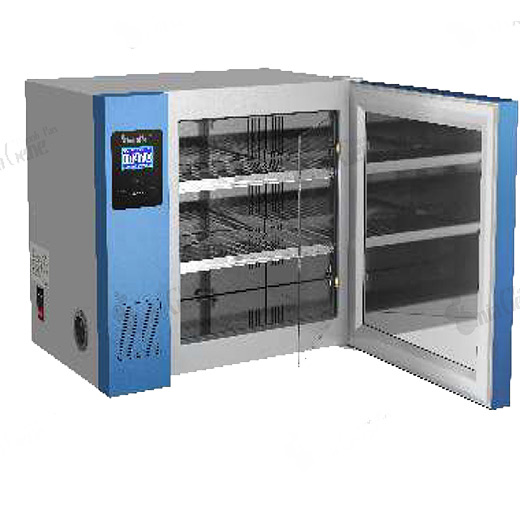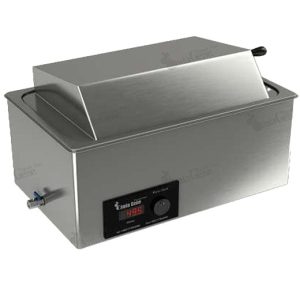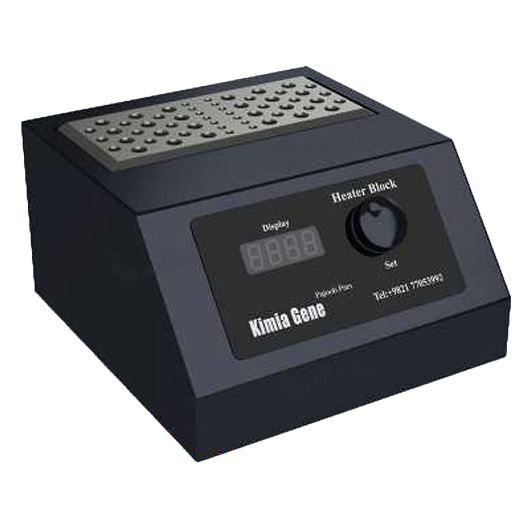
Laboratory ovens are one of the essential tools in scientific, industrial, and medical research. These devices are designed for drying, heating, and evaporating materials at precise and controlled temperatures. In various laboratories and industries, accuracy and environmental temperature control are crucial for conducting scientific experiments and industrial production. Ovens, by providing stable environmental conditions, enable precise and rapid experimentation.
Ovens are thermal devices used for drying, evaporating, and heating materials in controlled environments. These devices are essential for scientific experiments, research, and industrial production in laboratory settings. By creating a stable environment for temperature regulation, ovens allow for more precise experiments.
For more information, read this blog.
Laboratory ovens are designed in various types for different applications. Choosing the right oven depends on the specific needs of the laboratory, industry, or research you are conducting. Here, we introduce some commonly used types of laboratory ovens:
Drying Oven: Used to dry materials and remove moisture from samples.
Incubator Oven: Designed for the growth of microorganisms and cell cultures at constant and controlled temperatures.
Digital Oven:Features precise temperature and time control using a digital display, suitable for sensitive experiments.
Vacuum Oven: Used for evaporating liquids under low pressure or vacuum conditions, suitable for heat-sensitive materials.
Rotary Oven: Equipped with a rotating chamber for uniform heat distribution, suitable for industrial processes and food testing.
Thermal Oven: Used for thermal experiments and studying material properties at different temperatures.
These types of ovens are designed for various laboratory and industrial needs, each with its own specific features.
Laboratory ovens have unique features that make them suitable for scientific and industrial environments. These features help provide precise and controlled conditions for conducting experiments. Some key features include:
Precise Temperature Control: Ovens can be adjusted accurately from low to high temperatures, essential for sensitive experiments and preventing laboratory errors.
Uniform Heat Distribution: Ovens distribute heat evenly throughout the chamber, preventing temperature fluctuations that could affect experimental results.
Optimized Energy Consumption: Designed for lower energy consumption, reducing operational costs and improving efficiency.
Varied Capacity and Sizes: Available in different sizes, from small laboratory models to large industrial ovens, meeting the needs of various labs and industries.
High Durability in Harsh Conditions: Usually made of heat-resistant materials, allowing them to perform well in demanding environments.
Advanced Safety Systems: Equipped with safety thermostats and visual/audio alarms to protect the device and samples.
Easy Access to Settings: Temperature and time settings are easily adjustable, useful for busy labs requiring precision and speed.
Support for a Wide Range of Applications: Ovens can be used for drying, evaporation, baking, and culturing microorganisms, and are applied in various industries.
Advanced Control Systems (Digital Models): Digital ovens include advanced systems to control temperature, time, and even humidity, enabling complex experiments.
Easy Cleaning and Maintenance: Designed for easy cleaning, helping maintain hygiene and prolong device lifespan.
These features make laboratory ovens essential and efficient tools for precise and controlled experimentation in labs and industries.
Using laboratory ovens offers numerous advantages, making them suitable for precise experiments and controlled environments. Key benefits include:
High Accuracy in Temperature Settings: Ovens allow precise temperature adjustment, essential for sensitive experiments.
Uniform Heat Distribution: Heat is distributed evenly across the device, ensuring samples are heated consistently.
Energy Efficiency: Laboratory ovens are designed to consume less energy, reducing operational costs.
Wide Applications: Used in processes like drying, evaporation, baking, and microorganism culturing.
Advanced Safety Systems: Equipped with safety thermostats to prevent overheating and damage.
Easy Cleaning and Maintenance: Designed for easy maintenance, extending device lifespan.
Various Capacities: Available in different sizes to meet small and large laboratory needs.
These features make laboratory ovens practical and essential tools in many laboratories and industries.
Laboratory ovens have wide applications across different industries and labs. They are used for precise experiments and providing controlled environments, especially in drying, heating, and evaporating processes. Some main applications include:
Drying Samples
One of the most common uses of laboratory ovens is drying samples. This process is performed in many industries and labs to remove moisture from materials, especially critical in pharmaceutical, chemical, and food industries.
Examples:
Evaporation of Liquids
Laboratory ovens can evaporate liquids from samples at controlled temperatures under specific conditions, especially in chemical and biochemical industries.
Examples:
Material Curing
In many industries, materials require curing or baking, and laboratory ovens are used for this purpose. For example, in electronics, ovens cure polymer coatings and composite materials.
Examples:
Culturing Microorganisms
Incubator ovens are specifically designed for culturing microorganisms, bacteria, and cells, providing a controlled environment for growth. This is critical in microbiology, cell biology, and medical labs.
Examples:
Thermal Testing
Ovens are used for thermal experiments to study temperature effects on materials, especially in polymer, metal, and chemical industries.
Examples:
Moisture Content Determination
Ovens are used in labs to determine the moisture content of materials, especially important in food and pharmaceutical industries for quality control.
Examples:
Sample Baking
In some experiments, ovens are used for baking samples at specific temperatures, important in food, chemical, and pharmaceutical industries.
Examples:
Pharmaceutical Thermal Testing
In the pharmaceutical industry, ovens are used for thermal testing and determining storage conditions of temperature-sensitive drugs, ensuring quality and safety.
Examples:
Laboratory ovens are widely used across industries due to their precise temperature and controlled environment capabilities. They are essential in processes that require drying, heating, or evaporating materials under controlled conditions. Main applications include:
Used for drying samples, culturing microorganisms, evaporating liquids, and performing thermal tests, providing a controlled environment for precise experiments.
Applications include drying samples, evaporating solvents, and culturing microorganisms and cells.
Used for drying pharmaceutical materials, removing moisture, baking various materials, and performing quality control and thermal testing of drugs.
Applications include drying powders and tablets, stability testing of drugs at different temperatures, and solvent evaporation from liquid drugs.
Used for drying food materials, preserving quality, and performing moisture and thermal tests, especially for drying processes.
Applications include drying fruits, vegetables, and other foods, moisture testing in products, and thermal testing in food production.
Used for evaporating chemicals, drying samples, and performing thermal tests, particularly for testing chemical stability under various temperatures.
Applications include solvent evaporation, drying sensitive chemicals, and testing thermal properties of chemical materials.
Used for baking and curing plastic, polymer, and composite materials at specific temperatures to achieve desired properties.
Applications include baking polymer materials, curing plastic coatings, and testing composite materials.
Incubator ovens are used for culturing microorganisms and cells at controlled temperatures, providing suitable environments for bacteria, fungi, and other microorganisms.
Applications include microorganism and bacteria culturing, cell growth in biological experiments, and fungal culturing.
Used for baking polymer materials, curing thin coatings, and testing temperature-sensitive electronic components.
Applications include polymer coating curing, thermal testing of electronic parts, and drying processes in circuit board production.
Used for color fastness testing, fiber drying, and evaluating physical properties of textiles at different temperatures.
Used for testing parts like plastics and composites, as well as baking and curing materials used in automotive components.
Used for conducting various scientific experiments, allowing students and researchers to perform experiments in different scientific fields.
Choosing the right laboratory oven for your research and industrial needs is crucial for experiment accuracy and quality. Purchasing from Kimiagene ensures high-quality products and access to unique benefits for a reliable and efficient experience.
Guaranteed Quality: Kimiagene ovens are made from the finest materials and produced to the highest standards.
Technical Support and Free Consultation: Kimiagene’s support team assists you in selecting and using the devices.
Warranty and After-Sales Service: All ovens come with a valid warranty and fast after-sales service.
Competitive Prices: Kimiagene offers high-quality ovens at competitive prices.
Product Variety: A range of laboratory ovens with different features for diverse needs.
Fast Delivery: Simple purchase process and fast delivery to avoid delays in experiments.
Brand Reputation: Kimiagene is a trusted supplier of laboratory equipment.
Innovation and Updates: Kimiagene ovens are offered with new and updated features to help you perform precise experiments.
By purchasing from Kimiagene, you benefit from high quality, professional services, and competitive pricing.
Summary
Laboratory ovens are essential devices in many labs and industries for precise processes like drying, evaporation, baking, and microorganism culturing. They provide a controlled environment with stable temperature, enabling sensitive and accurate experiments. With features such as precise temperature control, uniform heat distribution, energy efficiency, and advanced safety, laboratory ovens are ideal tools for scientific and industrial settings. With diverse models and capacities, ovens meet various laboratory and research needs, improving experiment quality and accuracy.
Here are some frequently asked questions (FAQ) about laboratory ovens:
An oven used for drying, evaporating, baking, and performing thermal experiments.
Drying materials, evaporating liquids, culturing microorganisms, and thermal testing in various industries.
Drying ovens, incubators, digital, vacuum, and rotary ovens.
Consider the type of experiments, capacity, temperature precision, and safety features.
Use appropriate materials following the manufacturer’s instructions, avoiding harmful chemicals.
Modern ovens are optimized and consume little energy.
Yes, regular cleaning and system checks are necessary.
Yes, most ovens are offered with a warranty and after-sales service.
Yes, laboratory ovens are also suitable for industrial environments.

Categories
Useful Links
Communication methods
All rights to this website belong to Kimia Gene Company and any copying is subject to legal prosecution.